

In the accelerating AI landscape, dataset creators have long toiled in the shadows, their invaluable contributions fueling fine-tuned models without commensurate reward. Enter perpetual royalties AI datasets: a blockchain-driven paradigm that promises ongoing revenue streams every time their data powers innovation. Platforms like FineTuneMarket. com are at the vanguard, blending onchain payments with specialized marketplaces to make this vision tangible.

This model flips the script on traditional data licensing. Instead of one-off sales, creators embed royalty terms into digital assets via smart contracts. Each subsequent use- whether for training computer vision models or optimizing supply chain AI- triggers automatic payouts. It's leverage without the loan, much like a well-structured options play that compounds value over time.
Why Datasets Demand Perpetual Monetization
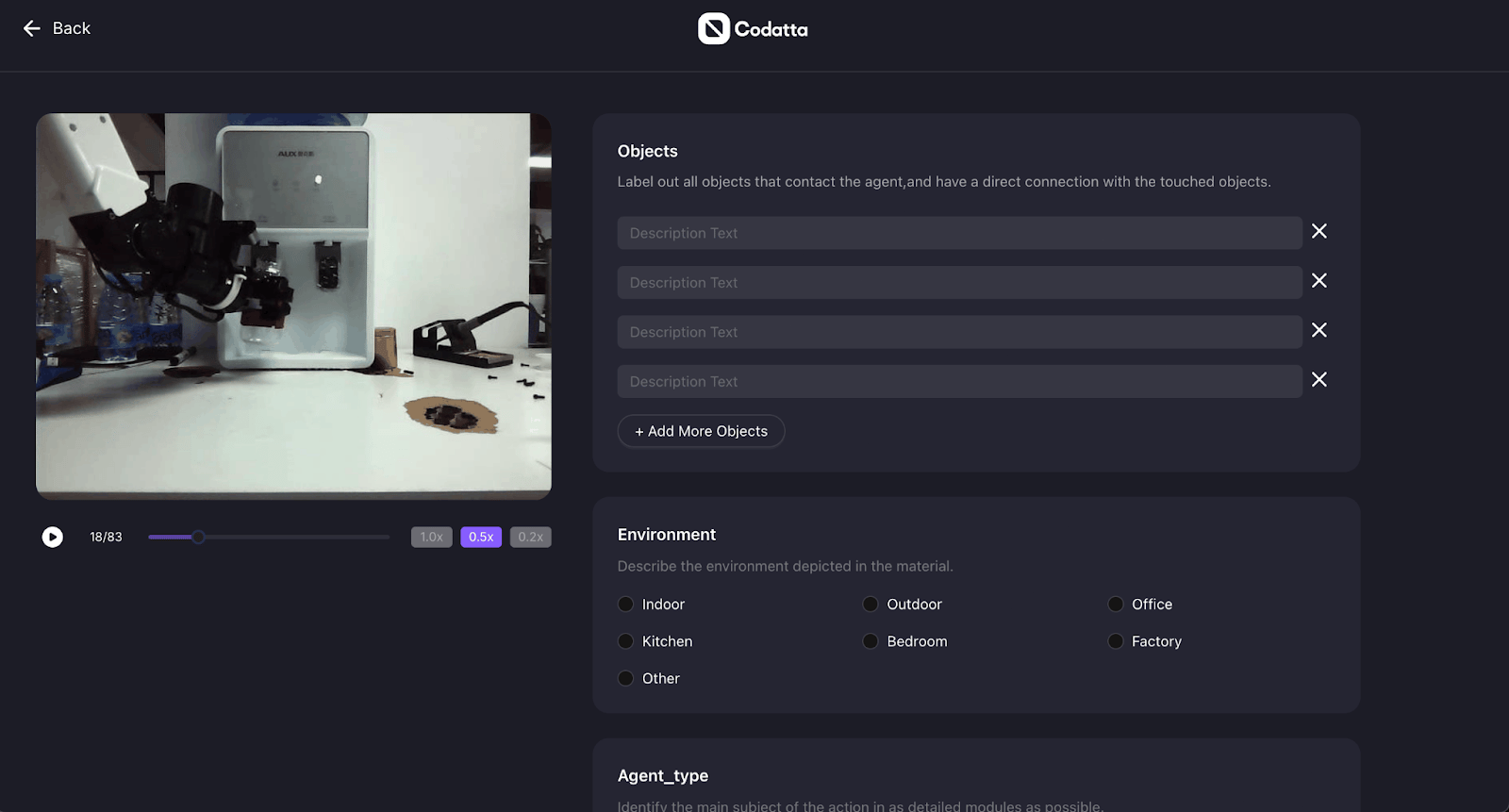
AI assets remain stubbornly illiquid, as noted in analyses from OpenLedger and ChainScore Labs. Locked in corporate silos, datasets can't be traded, remixed, or scaled efficiently. Tokenization changes that. By minting datasets as NFTs or SPL tokens, creators enforce AI fine-tuning royalties transparently. Codatta's approach exemplifies this: contributors earn from collective datasets powering broad AI innovations.
Consider computer vision datasets for autonomous vehicles or logistics data for supply chain optimization. These aren't static files; their value multiplies with each fine-tune iteration. Without perpetual mechanisms, creators capture only initial value, leaving downstream users to reap outsized gains. Blockchain dataset marketplaces rectify this imbalance, fostering an ecosystem where data becomes a perpetual income generator.
Key Advantages of Perpetual Royalties
- Automated Payouts via Smart Contracts: Platforms like Hedera enforce protocol-level royalties, triggering instant payments without intermediaries whenever datasets are used in AI fine-tuning.

- Transparent Usage Tracking Onchain: Immutable blockchain ledgers, as in FinetuneMarket, log every dataset access and fine-tuning event for verifiable attribution.
- Perpetual Earnings from Model Derivatives: Codatta enables ongoing royalties from AI innovations derived from contributed datasets, sustaining creator revenue indefinitely.
- Enhanced Liquidity through Tokenization: OpenLedger and ChainScore Labs demonstrate how NFT-tokenized datasets unlock trading, fractional ownership, and fluid markets for AI training data.
- Fair Compensation Beyond Initial Sales: Yuga Labs and Magic Eden collaborations ensure royalties persist across resales and uses, as in PixelPlex's IP automation models.

Onchain Payments: Fueling Seamless Fine-Tuning Workflows
FineTuneMarket. com leads with onchain payments fine-tuning, enabling instant, secure transactions for premium datasets. Creators list assets optimized for large language models or vision tasks, buyers fine-tune onchain, and royalties flow perpetually. This isn't mere hype; it's tactical infrastructure. Drawing from DeFi's empirical lessons, as surveyed in ScienceDirect, incentive-aligned protocols drive adoption.
Hedera's protocol-level NFT royalty enforcement sets a benchmark. Creators embed terms directly, ensuring compliance across marketplaces. Yuga Labs' collaboration with Magic Eden mirrors this for digital art, but applied to AI data, it sustains creators amid rapid model evolution. No more royalty evasion; smart contracts execute flawlessly.
Tokenizing Data: From Theft to Transparent Markets
The AI boom rests on pilfered data, a critique ChainScore Labs levels head-on. Tokenizing training data via NFTs creates auditable provenance and sell datasets royalties enforcement. Platforms like Kava. io's blockchain-based AI model marketplaces extend this to fine-tuned outputs, democratizing access while rewarding originators.
PixelPlex outlines how blockchain secures IP: immutable ledgers prove ownership, smart contracts automate splits. In practice, a logistics dataset creator sells access for supply chain AI, then earns 5% on every derivative model deployed. It's opinionated design- prioritizing creators over extractive middlemen. Crypto analytics tools, like Poloniex's Glint API, already pay NFT holders per query, proving the model's viability for data.
Glint's model translates seamlessly to datasets: every fine-tune invocation audits usage onchain, disbursing royalties in real-time. This isn't charity; it's engineered economics, where protocol incentives mirror volatility plays that reward holders through compounding exposure.
Tactical Steps for Dataset Creators
Armed with these insights, creators must act decisively. Blockchain dataset marketplaces like FineTuneMarket. com simplify entry. Mint your dataset as an NFT, script royalty splits at 2-10%, and list for AI developers targeting computer vision or logistics fine-tuning. Hedera's enforcement ensures portability; your terms stick across secondary markets, much like a covered call generating premium income indefinitely.
Empirical DeFi data underscores viability: protocols with baked-in incentives scale faster, per ScienceDirect surveys. Creators who tokenize early capture network effects, turning static data into liquid assets. Kava. io's marketplaces prove this, blending model sales with data provenance for holistic monetization.
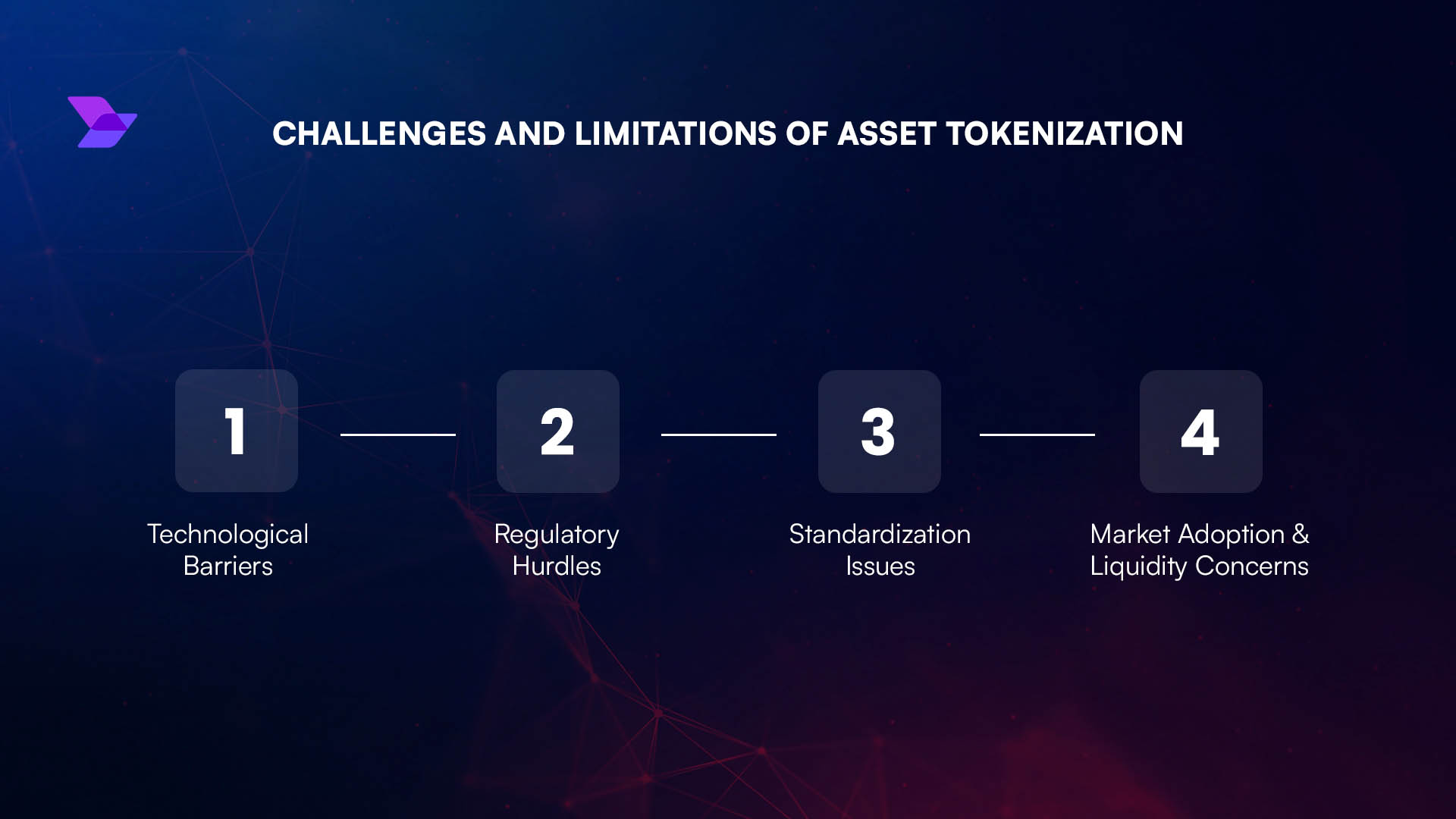
Overcoming Hurdles: Scalability Meets Sustainability
Skeptics cite blockchain's scalability limits and crypto volatility. Yet, layer-2 solutions and stablecoin royalties mitigate these. FineTuneMarket. com's onchain payments use USDC for stability, insulating creators from BTC swings. Volatility? That's the edge- as an options veteran, I view it as theta decay working in your favor, where time-bound data yields perpetual theta.
Intellectual property challenges evolve too. LinkedIn discussions on CodexField highlight AI-generated content wrapping code and images for automated royalties. Applied to datasets, this preempts theft claims, establishing onchain sovereignty before disputes arise. Blockchain App Factory's creator tokens add engagement layers, fine-tuning access via AI analytics for fan-like communities around niche data.
Updated dynamics affirm momentum: as of early 2026, Hedera protocols enforce NFT royalties natively, while Yuga Labs-Magic Eden pacts standardize creator cuts. These aren't experiments; they're battle-tested frameworks scaling to AI's data hunger.
Forward-looking, perpetual royalties AI datasets redefine value capture. Platforms evolve toward full-stack ecosystems: data discovery, fine-tuning sandboxes, derivative trading. Creators who position now- tokenizing high-signal datasets for supply chain or vision tasks- stand to compound earnings as AI proliferates. It's not speculation; it's strategic positioning in an asymmetric opportunity. Dataset originators become onchain quants, harvesting alpha from every model iteration. The vault is open; mint your edge.




No comments yet. Be the first to share your thoughts!