
The shift from copilots to agents
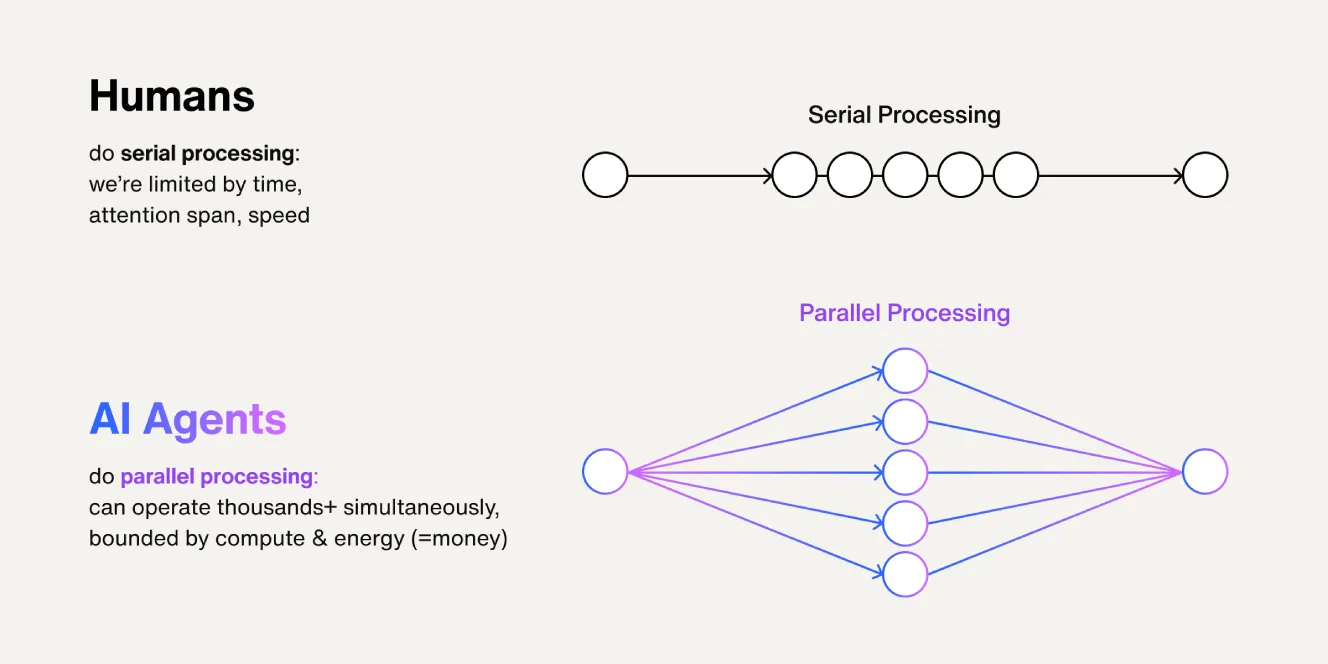
The dominant narrative of 2025 AI adoption centered on copilots: passive assistants that help humans draft code, summarize emails, or retrieve data. While these tools improved individual productivity, they stopped short of resolving complex business bottlenecks. In 2026, the focus is shifting decisively toward autonomous agents. These are not just smarter chatbots; they are specialized, fine-tuned models capable of executing multi-step workflows without constant human intervention.
This transition is driven by the limitations of general-purpose models in high-stakes B2B environments. Copilots require humans to orchestrate every step, creating a friction point that slows down operations. Agents, by contrast, are designed to own specific outcomes. They can monitor systems, trigger actions, and resolve issues independently, provided they are fine-tuned on proprietary enterprise data. This shift reduces the cognitive load on IT teams and allows AI to handle routine but critical operational tasks.
The move toward agentic AI represents a structural change in how organizations deploy technology. Instead of viewing AI as a tool for augmentation, companies are treating it as an active participant in their workflow. This requires a new architecture where agents are integrated directly into existing enterprise systems, rather than sitting on top as separate interfaces. The result is a more efficient, automated backend that scales with business demand rather than headcount.
As noted by Info-Tech Research Group, this evolution is part of a broader trend where foundational AI principles are rewriting organizational DNA. The technology is no longer experimental; it is becoming the core infrastructure for B2B operations. For IT leaders, the challenge is no longer whether to adopt AI, but how to transition from experimental copilots to reliable, autonomous agents that can be trusted with critical business functions.
Why generic models fail at scale
Foundation models are generalists by design. While they excel at broad tasks like drafting emails or summarizing articles, they struggle with the specific, high-stakes workflows that define B2B operations. In 2026, the limitation is no longer just technical accuracy; it is economic viability. Running massive, unoptimized models for routine internal queries consumes excessive compute resources, driving up costs without delivering proportional business value.
The core issue lies in context and precision. Generic models lack the deep, proprietary knowledge required for specialized industries. When a customer support agent relies on a base model to answer complex technical questions, the model often hallucinates or provides generic, unhelpful responses. This creates friction in the customer journey and increases the burden on human agents to correct errors, negating the efficiency gains AI was supposed to provide.
Also, data privacy and security concerns limit the use of public APIs for sensitive B2B data. Sending proprietary financial records or client contracts to a public foundation model introduces unacceptable risks. Organizations need models that can operate within their own secure environments, trained on their specific data structures, rather than relying on external, one-size-fits-all solutions.
As noted in recent analyses from MIT Sloan Review, the rise of GenAI as an organizational tool is shifting from broad experimentation to targeted, fine-tuned applications. The future of B2B AI lies not in bigger models, but in smarter, specialized agents that understand the nuance of specific business domains. This shift is critical for achieving measurable ROI and maintaining competitive advantage in a crowded market.
Fine-tuning for vertical workflows
Generic large language models struggle with the nuanced compliance requirements and proprietary jargon of specialized B2B sectors. In 2026, organizations are shifting from broad, pre-trained models to fine-tuned agents tailored to specific verticals like finance, legal, and supply chain. This approach reduces hallucination rates by grounding the AI in domain-specific data, ensuring outputs meet strict regulatory standards.
For financial institutions, fine-tuning allows agents to interpret complex market reports and regulatory filings with high precision. Legal firms use similar techniques to draft contracts that adhere to jurisdiction-specific precedents, significantly reducing the time lawyers spend on initial document review. Supply chain managers deploy these agents to predict disruptions by analyzing historical logistics data alongside real-time weather and geopolitical feeds.
The performance gap between generic and domain-specific models is stark. Fine-tuned agents demonstrate superior accuracy in vertical tasks, making them essential for high-stakes decision-making where errors carry significant financial or legal weight.

| Metric | Generic LLM | Fine-Tuned Vertical Agent |
|---|---|---|
| Accuracy | Moderate (65-75%) | High (85-95%) |
| Latency | High (5-10s) | Low (1-3s) |
| Compliance | Low (Requires heavy review) | High (Built-in guardrails) |
This specialization transforms AI from a general assistant into a reliable partner for critical business operations, directly supporting the broader 2026 AI trends of agentic systems that operate with minimal human input.
Onchain payments for agent economies
As fine-tuned agents move from experimental prototypes to autonomous B2B workers, they require a payment rail capable of handling machine-to-machine transactions at scale. Traditional banking infrastructure is ill-suited for the volume, speed, and granularity of these interactions. Onchain payments provide the necessary infrastructure layer, enabling agents to transact autonomously using blockchain-based micropayments.
This shift creates a new economic layer for enterprise AI. Agents can now pay for data access, API calls, or computational resources in real-time without human intervention. This capability unlocks complex, multi-step workflows where an agent negotiates, executes, and settles a transaction in milliseconds. According to IBM’s analysis of 2026 tech trends, this interoperability between autonomous agents and decentralized finance (DeFi) protocols is a defining characteristic of the next generation of B2B software.
The adoption of onchain micropayments also solves the trust deficit inherent in agent-to-agent interactions. Every transaction is recorded on an immutable ledger, providing full auditability and transparency. For CIOs managing high-stakes workflows, this means every dollar spent by an AI agent is traceable, verifiable, and secure. This level of granularity was previously impossible with traditional credit card or wire transfer systems.
Onchain transactions provide an immutable audit trail for high-stakes B2B agent interactions, ensuring every micropayment is verifiable and secure.
The economic implications are profound. Companies can now monetize internal AI capabilities by allowing other agents to pay for access. Conversely, they can reduce operational costs by allowing their agents to source the most efficient resources across the open internet. This fluidity of value exchange is transforming static business models into dynamic, agent-driven economies.
Implementing fine-tuned agents in 2026
Adopting fine-tuned agents requires shifting from experimental pilots to production-grade infrastructure. According to Info-Tech Research Group, foundational AI principles are rewriting organizational DNA, meaning IT leaders must treat agent integration as a core architectural change rather than a peripheral software update Info-Tech.
The following roadmap outlines the critical phases for deploying these agents securely within existing enterprise stacks.
Fine-tuned agents rely on proprietary data to function accurately. Before deployment, CIOs must establish strict data governance frameworks that define which internal datasets are safe for model training. This involves identifying high-value, clean data sources while ensuring compliance with privacy regulations. Without this foundation, agents will hallucinate or expose sensitive intellectual property.
Not all base models are suitable for fine-tuning. Evaluate models based on their parameter efficiency and ability to handle specific B2B workflows. Look for models that offer robust API support for large context windows, allowing agents to process complex enterprise documents without losing critical information. The goal is to balance computational cost with the precision required for specialized tasks.

Agents must operate seamlessly within current CRM, ERP, and communication tools. Avoid building siloed AI applications. Instead, use middleware or API gateways to connect the fine-tuned model to your existing infrastructure. This ensures that agents can retrieve real-time data and execute actions within the workflows employees already use, reducing adoption friction.
Once deployed, continuous monitoring is essential. Track metrics like token usage, response latency, and accuracy rates. Establish feedback loops where human reviewers can correct agent errors, feeding this data back into the fine-tuning process. This iterative approach ensures the agent improves over time, maintaining reliability as business requirements evolve.
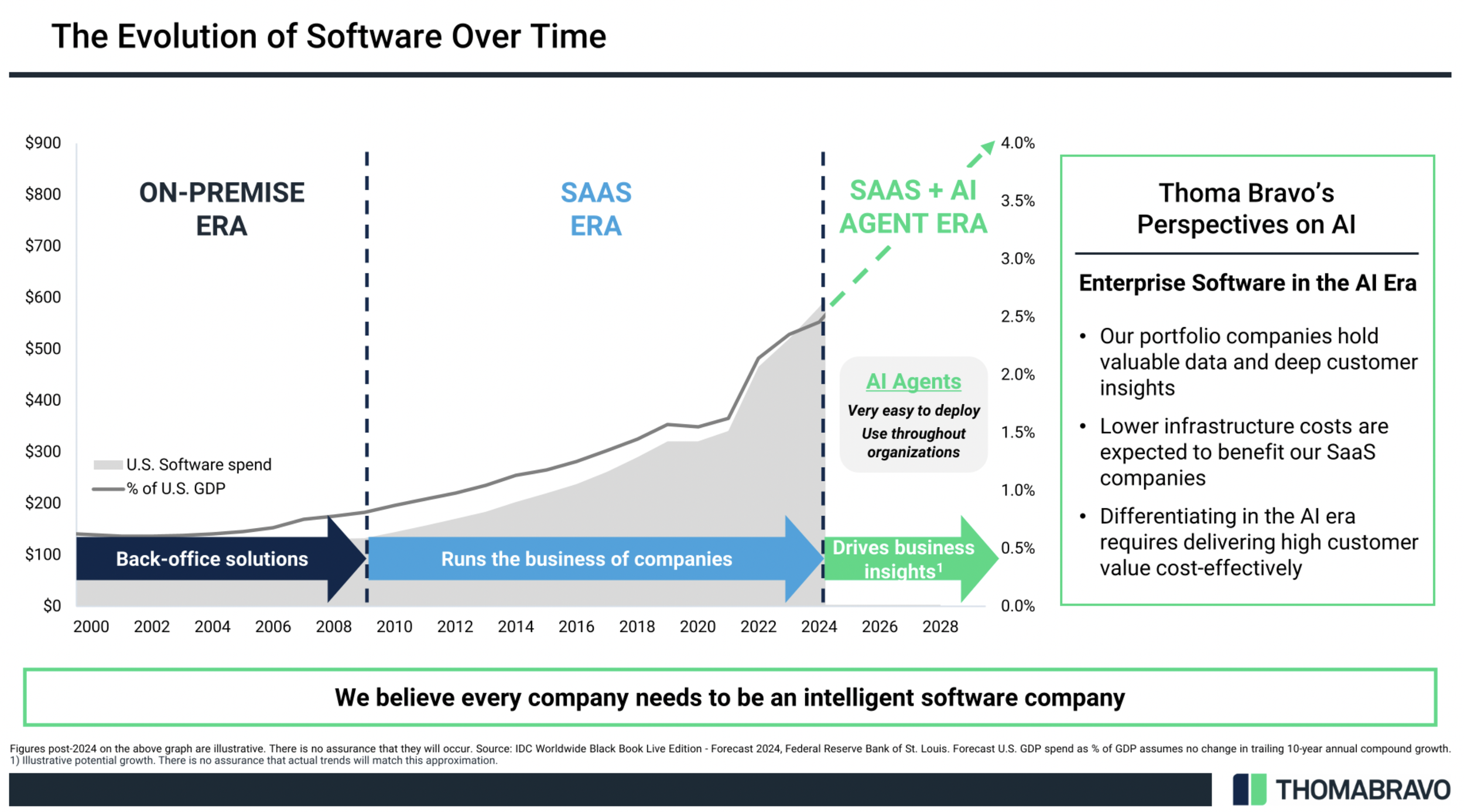
Understanding the economic landscape is also part of the implementation strategy.
shows the current pricing trends for enterprise fine-tuning services and API costs for large context windows, helping leaders budget for scale.Key questions on 2026 AI adoption
As enterprises move from testing to deploying fine-tuned agents, CIOs face specific hurdles regarding integration and governance. The following questions address the practical realities of implementing agentic workflows in a B2B environment.
The shift toward agentic AI is not merely a technological upgrade but a fundamental restructuring of how business processes are automated. Decision-makers must prioritize governance frameworks that can keep pace with the autonomy these agents possess.
No comments yet. Be the first to share your thoughts!