

2026 market trends to watch
The 2026 market landscape is defined by a divergence between resilient US growth and broader global adjustments. Our selection of the five key trends relies on consensus data from J.P. Morgan and Goldman Sachs, focusing on factors that directly impact portfolio allocation and risk management. We prioritized trends with clear macroeconomic drivers over speculative narratives.
Global growth is expected to hold at 2.8% in 2026, outpacing the 2.5% consensus. This divergence suggests the US will continue to outperform, while other regions face headwinds from energy transitions and demographic shifts. Oil demand is projected to grow by 0.9 million barrels per day, yet supply is forecast to outstrip demand, creating a complex environment for energy investments.
We have filtered these insights to highlight actionable areas for investors. The following five trends represent the most significant opportunities and risks for the coming year, grounded in primary research from major financial institutions.
5 Key Trends Shaping Global Economy
The 2026 global economy is defined by five specific shifts in monetary policy, supply chain resilience, and consumer behavior. These trends offer concrete tradeoffs for investors and businesses navigating high-stakes market conditions.
-

AI infrastructure spending surge
Global capital expenditure on data centers and semiconductor fabrication will exceed $700 billion in 2026, driven by hyperscaler demand for specialized GPUs. Nvidia and AMD dominate this hardware race, pushing companies to secure supply before capacity constraints tighten. Investors should monitor capex guidance from major cloud providers, as this spending directly correlates with enterprise AI deployment speeds and subsequent ROI timelines. -
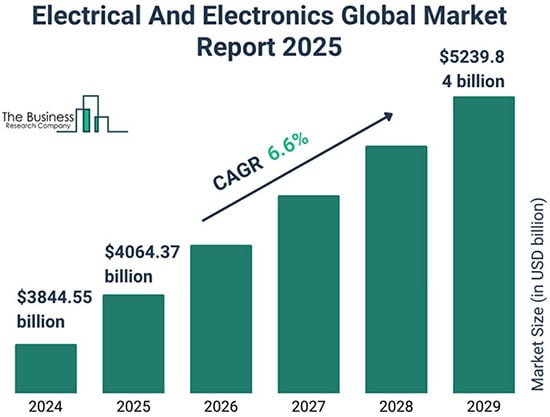
Supply chain regionalization shift
Manufacturers are abandoning pure cost-efficiency models for resilience, relocating production closer to end markets through nearshoring and friend-shoring strategies. This shift reduces geopolitical risk but increases operational complexity and labor costs for electronics OEMs. Companies must audit tier-2 suppliers to ensure compliance with new regional trade agreements, balancing inventory holding costs against the premium of faster, more secure delivery networks. -
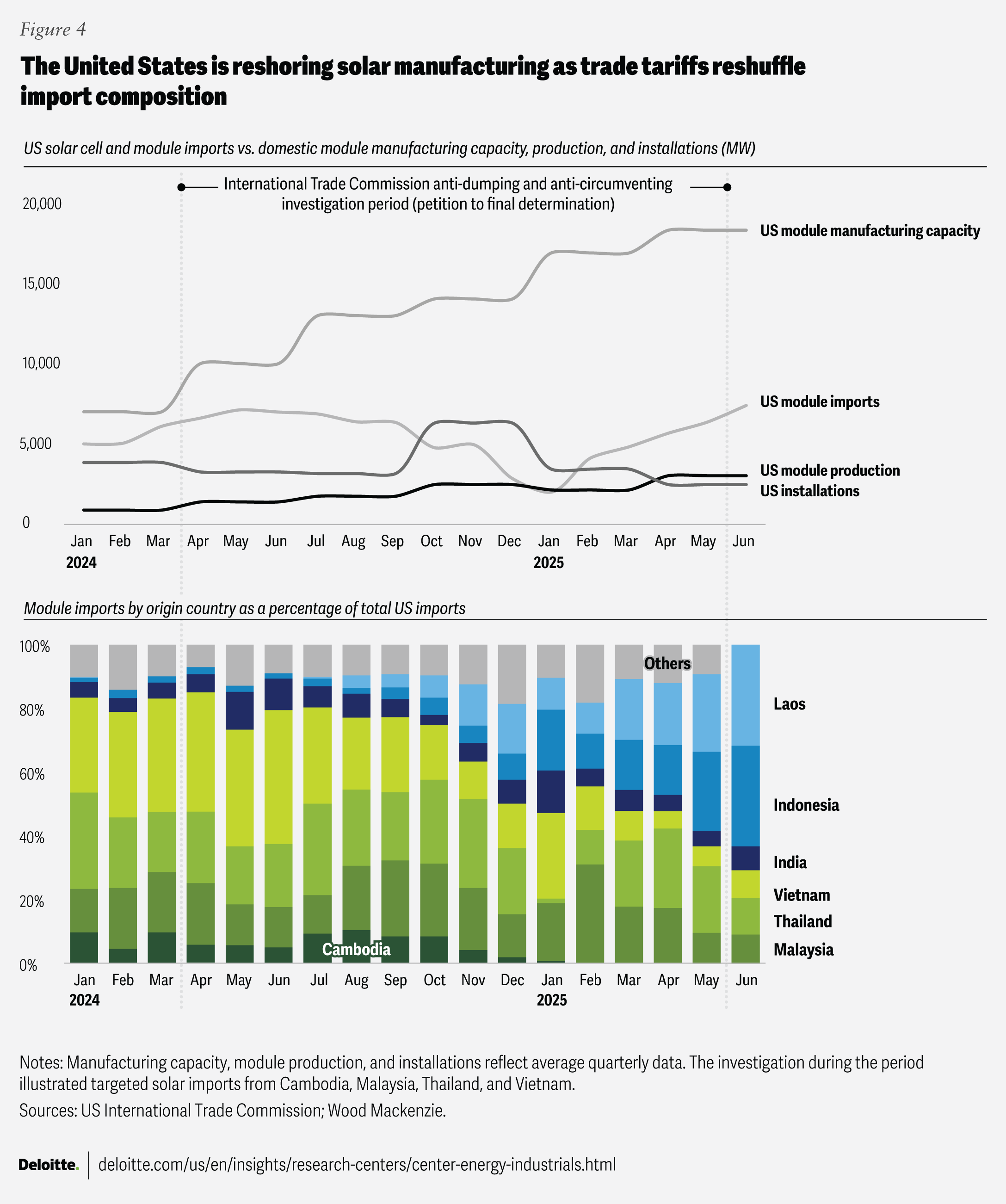
Green energy transition investments
Renewable energy infrastructure projects will see accelerated funding as governments enforce stricter carbon reporting standards. Solar and wind capacity expansions are outpacing grid modernization efforts, creating bottlenecks for energy storage solutions. Investors should focus on companies providing grid-scale battery technology and smart grid software, which are critical for integrating intermittent renewable sources into stable national power systems without causing widespread outages. -
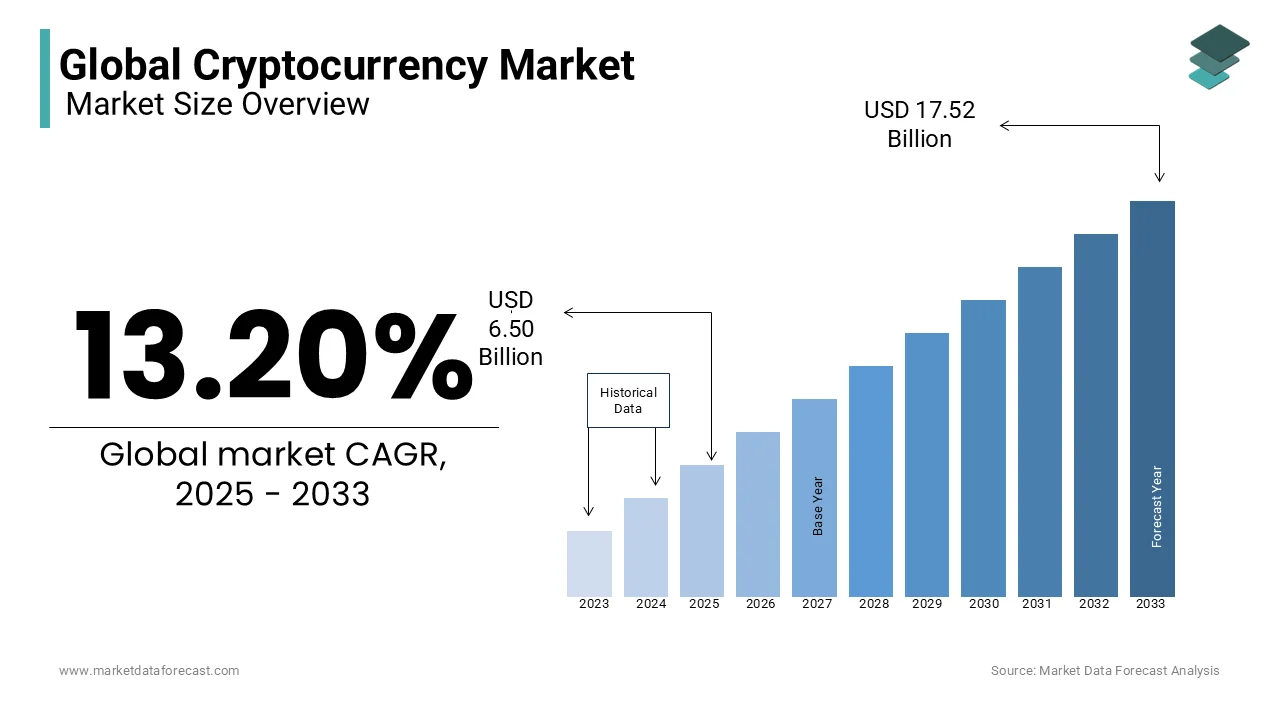
Digital currency adoption growth
Central bank digital currencies (CBDCs) and regulated stablecoins are expanding transaction volumes, with North America expected to drive nearly half of global growth. This shift reduces cross-border payment friction but requires significant compliance infrastructure updates for financial institutions. Banks must integrate new digital asset custody solutions and real-time settlement protocols to compete with fintech disruptors leveraging blockchain for faster, cheaper international remittances. -
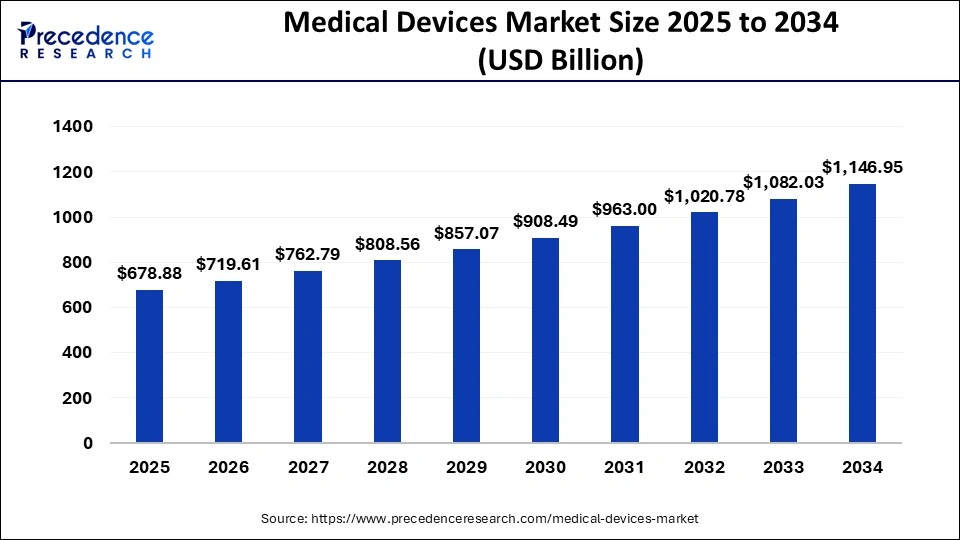
Healthcare technology innovation boom
The medical devices market is projected to reach $1.2 trillion by 2035, fueled by AI-driven diagnostics and remote patient monitoring wearables. Aging demographics in developed nations are accelerating demand for automated surgical tools and telehealth platforms. Healthcare providers must invest in interoperable electronic health records that seamlessly integrate with these new devices, ensuring data security while improving patient outcomes through continuous, real-time health monitoring.
Pick the right fit
Use this section to make the Market Outlook decision easier to compare in real life, not just on paper. Start with the reader's actual constraint, then separate must-have requirements from details that are merely nice to have. A practical choice should survive normal use, maintenance, timing, and budget. If a recommendation only works in an ideal situation, call that out plainly and give the reader a fallback path.
-
Verify the basicsConfirm the core specs, condition, and fit before comparing extras.
-
Price the downsideLook for the repair, maintenance, or replacement cost that would change the decision.
-
Compare alternativesCheck at least two comparable options before treating one listing as the benchmark.
2026 market outlook: 5 key trends shaping global economy: what to check next
Helpful gear
Use these product recommendations as a starting point, then choose the size, material, and price point that fit how you actually use the gear.



As an Amazon Associate, we may earn from qualifying purchases.
No comments yet. Be the first to share your thoughts!