
Get LLM Fine-Tuning Right
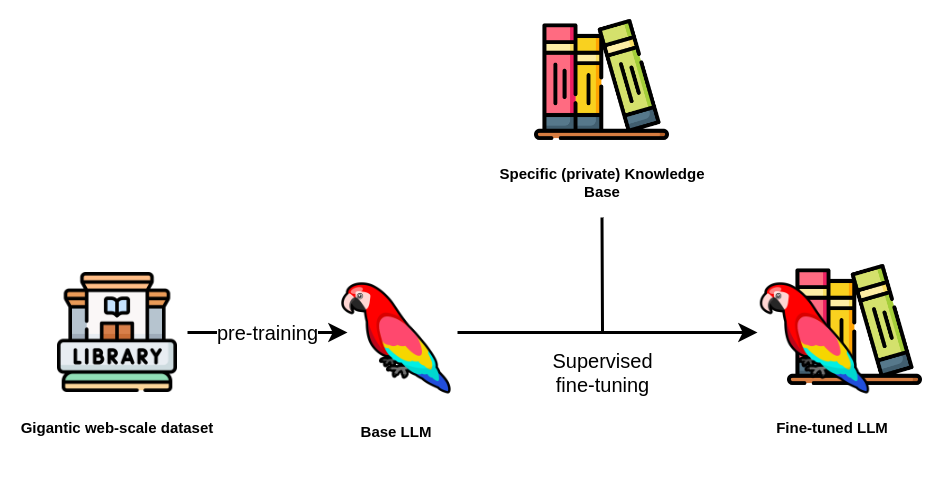
Before you touch a dataset, verify your foundation. Fine-tuning amplifies what is already there; it does not fix broken logic or missing context. If your base model cannot follow instructions in a zero-shot setting, fine-tuning will likely overfit to noise rather than learning generalizable patterns.
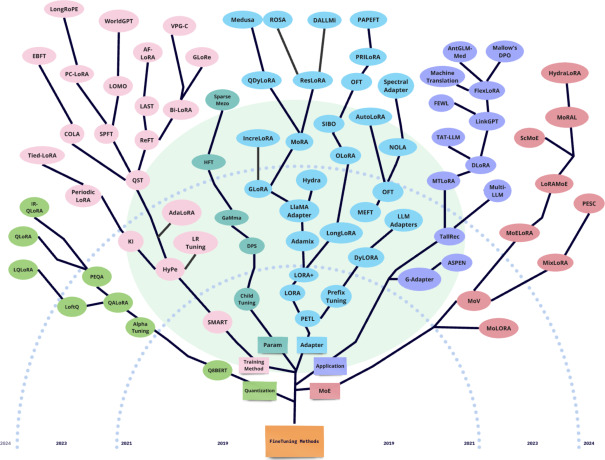
Start by auditing your compute constraints. You need to decide between parameter-efficient methods like LoRA or full fine-tuning. For most teams in 2026, LoRA offers the best balance of cost and performance, allowing you to train on consumer GPUs without burning through cloud credits. Check your VRAM headroom before downloading the base model.
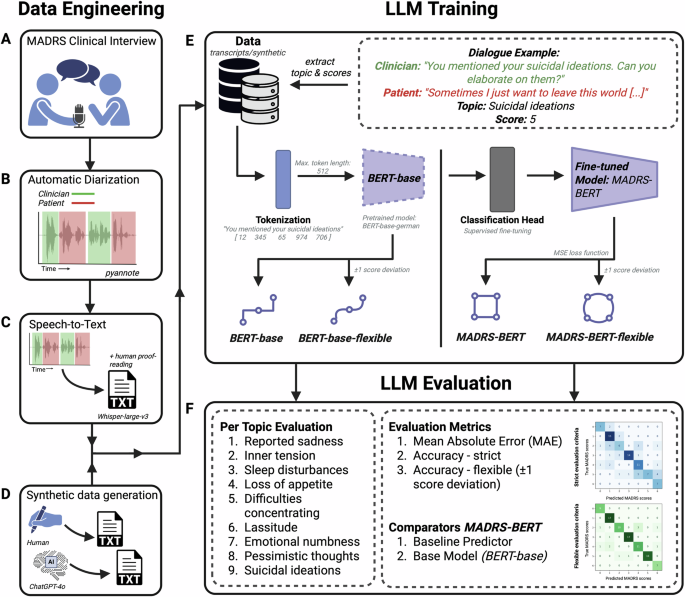
Next, ensure your data pipeline is clean. The quality of your fine-tuning data directly correlates with model accuracy. Remove duplicates, correct formatting errors, and verify that your instruction-response pairs are distinct. A noisy dataset will degrade performance faster than any hyperparameter can recover. Run a small-scale test with 100 examples to validate your loss curve before committing to the full run.
Work through the steps
The Fine-Tuning Playbook works best as a clear sequence: define the constraint, compare the realistic options, test the tradeoff, and choose the path with the fewest hidden costs. That order keeps the advice usable instead of decorative. After each step, pause long enough to check whether the recommendation still fits the reader's actual situation. If it depends on perfect timing, unusual access, or a best-case budget, include a simpler fallback.
Common fine-tuning mistakes
Most fine-tuning projects fail before they hit production because the training data is noisy or the hyperparameters are mismatched to the task. You can have a well-architected pipeline, but if the underlying data reflects the wrong distribution, the model will simply memorize errors.
The most frequent error is using unfiltered raw data. If your dataset contains hallucinations from previous model generations, you are training the new model to repeat those mistakes. Always audit your training examples for factual consistency before adding them to the mix.
Another common pitfall is over-tuning on a single metric. Optimizing only for loss can lead to overfitting, where the model performs well on validation sets but fails on real-world prompts. Balance your metrics with a held-out test set that mimics actual user behavior.
Finally, many engineers ignore the cost of inference after fine-tuning. A larger model with slightly better accuracy might be impractical if it requires expensive hardware to run. Choose a base model that fits your deployment constraints, then fine-tune within those limits.
Llm fine-tuning 2026: what to check next
Before committing to a fine-tuning workflow, teams often hit specific technical and economic walls. Here are the practical answers to the most common objections about cost, accuracy, and tooling in 2026.
No comments yet. Be the first to share your thoughts!